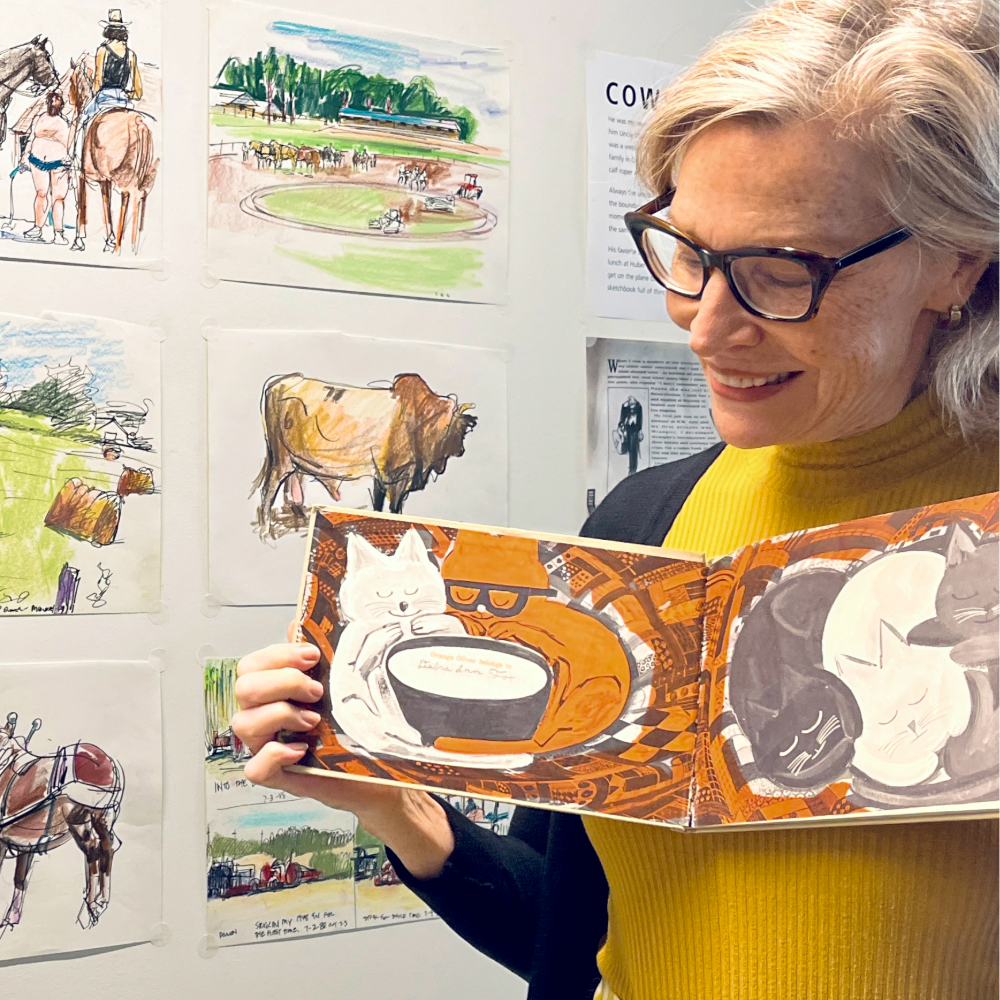

At this year’s DJC Oregon Women of Vision Awards, Mayer/Reed Founding Partner Emeritus Carol Mayer-Reed, FASLA, will be honored with the Lois Cohen Lifetime Achievement Award. The award recognizes Carol’s pioneering leadership in landscape architecture and her lasting contributions to Oregon’s design community.
“What distinguishes Carol’s leadership is her combination of vision and pragmatism. She has consistently brought ambitious ideas into complex, real-world projects through collaboration, persistence and careful attention to people and place,” says Erica Rife, Executive Director of the Architecture Foundation of Oregon and Carol’s nominator. “Her legacy is not only the remarkable places she helped create, but also the expanded vision of what landscape architecture—and landscape architects—can contribute to Oregon’s future.”
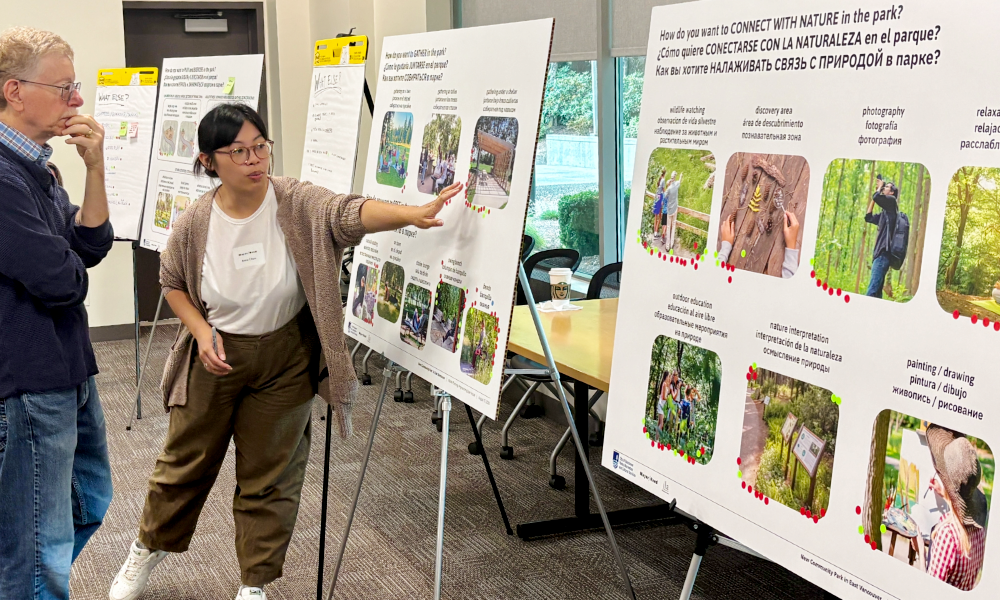
Carol established her own landscape architecture practice in 1983 and in 1987 formalized a partnership with Michael Reed, creating the interdisciplinary firm, Mayer/Reed. Her visionary work as Mayer/Reed principal helped shape signature places throughout Oregon and the Pacific Northwest and continues to demonstrate how landscape architecture can be a powerful tool for both civic and ecological transformation. Her portfolio includes the Vera Katz Eastbank Esplanade, Rain Garden at the Oregon Convention Center, MAX Orange Line and the Old Mill District. More recent projects include new plaza and accessible entries at the Oregon State Capitol, the Vista Pavilion at Oregon Health Sciences University and the OMSI District Central City Master Plan and Waterfront Education Park Vision Plan.
Throughout Carol’s career, she has remained invested in the next generation. She was a founding board member of Oregon’s ACE Mentor Program that connects high school students with careers in architecture, construction and engineering. She served on the board of the Architecture Foundation of Oregon, supporting programs including Architects in Schools, and spent nine years serving on Board of Visitors at University of Oregon. Carol is recognized nationally as an ASLA Fellow and continues to contribute to community initiatives throughout the region.
Carol’s legacy is woven into Mayer/Reed. She founded the firm as a women-owned business at a time when women were underrepresented in leadership across the design professions. Today, Mayer/Reed remains a women-owned business and is led by Kathy Fry, SEDG, Shannon Simms, ASLA, and Jeramie Shane, ASLA. Principals and owners Kathy Fry and Shannon Simms are past DJC Women of Vision Honorees.
We are proud to celebrate Carol and this well-deserved recognition of her remarkable career, the practice she built and the lasting influence she continues to have on our profession and community.